
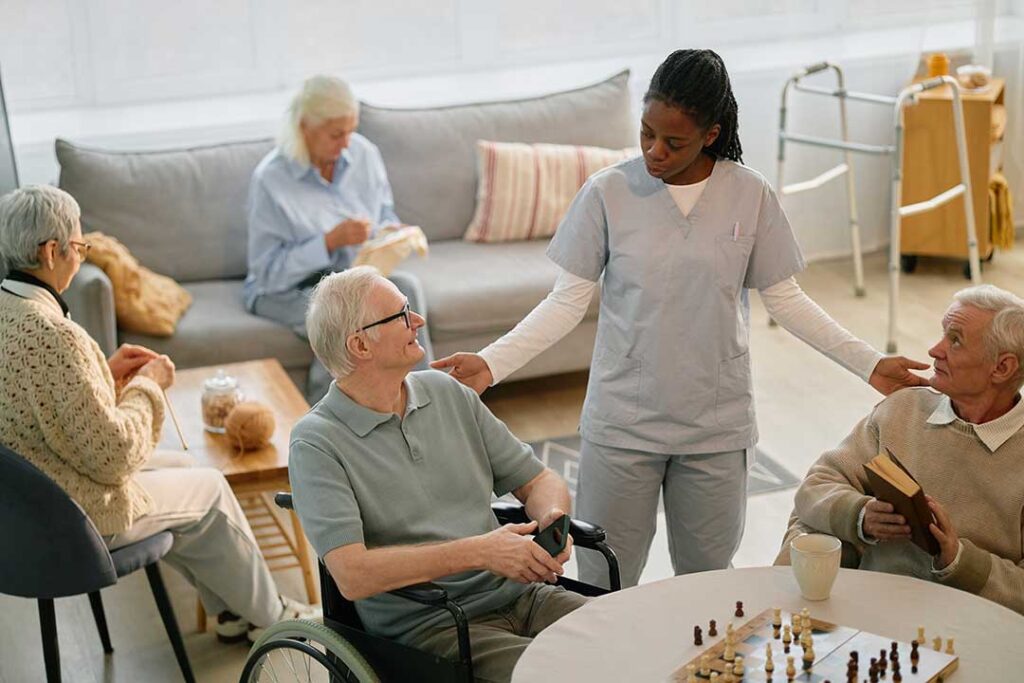
Can Couples With Different Needs Stay Together in Assisted Living?
Yes, couples with different health or support needs can often live together in assisted living. Senior partners sometimes have varied levels of independence—one may need help with medication and mobility, while the other is mostly independent. Assisted living communities in East Stroudsburg, PA are designed to accommodate these differences while supporting continued companionship.
Whether one partner needs daily personal care and the other only seeks social activity and basic assistance, a shared apartment is usually possible. Staff work closely with each couple to tailor individualized care plans. This allows both partners to feel supported while maintaining their relationship and daily routines within the same living space.
How Are Individual Needs Balanced for Both Partners?
Each resident is assessed separately to create a care plan that addresses only the support they actually require. This means one partner might receive help with dressing, bathing, medication management, or mobility, while the other continues living mostly independently.
Key approaches include:
- Regular evaluations to stay updated on changing needs
- Discreet staff visits so one partner isn’t disrupted unnecessarily
- Flexible meal and activity options
Care plans are updated as needs change—especially relevant for couples, since one partner’s health may shift more rapidly than the other’s. Collaboration with families is part of the process, so all voices are heard regarding comfort and preferences.
What Housing Arrangements Are Offered for Senior Couples?
Most assisted living communities in the area offer private apartments or suites that couples can share. This layout supports privacy and togetherness, with space for personal belongings and familiar routines. Apartments are designed for accessibility, with features such as:
- Step-free showers or walk-in tubs
- Emergency call systems
- Adaptive lighting and grab bars
If health conditions diverge significantly—such as if one partner develops complex medical needs—local options may include nearby memory care, rehabilitation, or even skilled nursing wings within the same community. In many situations, proximity allows couples to visit each other easily, even if daily care routines differ.
What Are Some Common Concerns Around Different Care Needs?
It’s normal to worry that different support levels could force couples to live apart. Local families sometimes assume assisted living can’t accommodate uneven needs, or that independent partners might lose their lifestyle. In East Stroudsburg, these concerns are addressed with:
- Separate care schedules tailored to each individual
- Respect for privacy and personal routines
- Private apartments rather than shared rooms with strangers
Another concern is the feeling of guilt if one partner becomes a primary caregiver at home. Moving to assisted living can relieve this, allowing spouses to return to a more equal relationship with professional support handling much of the daily care.
How Do Activities and Social Life Work for Couples With Different Needs?
Assisted living communities in East Stroudsburg offer diverse activity calendars, so couples can participate together or separately as they wish. For instance:
- Group exercise and fitness classes, with modifications for mobility levels
- Social clubs and card games for independent partners
- Reminiscing groups or sensory activities for those with memory changes

This flexibility allows each spouse to have a fulfilling day, and find companionship both within their partnership and among other residents. Many communities invite couples to provide input on activities or group outings, ensuring programming meets everyone’s needs across the seasons—important in the region, given winter limitations on outdoor time.
What Happens If One Partner’s Needs Change Over Time?
Changes in health are common with age. If one partner begins to require more intensive care—such as after an illness or surgery—assisted living staff can often adjust supportive services in place. Communities collaborate with local health providers to deliver therapies, home health, or hospice as appropriate.
If a transition to a higher level of care becomes necessary and space is available, communities work to keep couples as close as possible. This could include:
- Arranging for one partner to move temporarily to a care wing
- Organizing transportation for daily visits
- Offering emotional support and counseling
Advance planning with care coordinators helps families understand options and anticipate changes, easing stress when adjustments are needed.
How Can Couples Evaluate Whether Assisted Living Is the Right Choice?
Making a move is a significant decision for any couple. Local families should consider:
- Physical safety at home versus extra support in a community
- Ability for one partner to rest, travel, or socialize without constant caregiving responsibility
- Whether current housing can meet accessibility needs, especially during icy winters or if stairs are involved
Families can benefit from listing each partner’s daily routines, needs, and what aspects of living together are most meaningful. Community tours or informational events in area assisted living facilities can offer a clearer sense of how differences in independence can be respected while supporting shared life.
Are There Misconceptions About Assisted Living for Couples?
Yes, some believe assisted living forces couples apart or only serves individuals with high care needs. In East Stroudsburg, assisted living is intended to preserve dignity, independence, and companionship. Couples can tailor the experience, receiving support only as needed—not more than what is wanted.
Other misconceptions include assuming loss of privacy, inflexible routines, or institutional surroundings. The reality is most communities in the area prioritize comfort, individualized options, and a sense of home—often providing more social opportunities than what’s possible in a single-family house.
